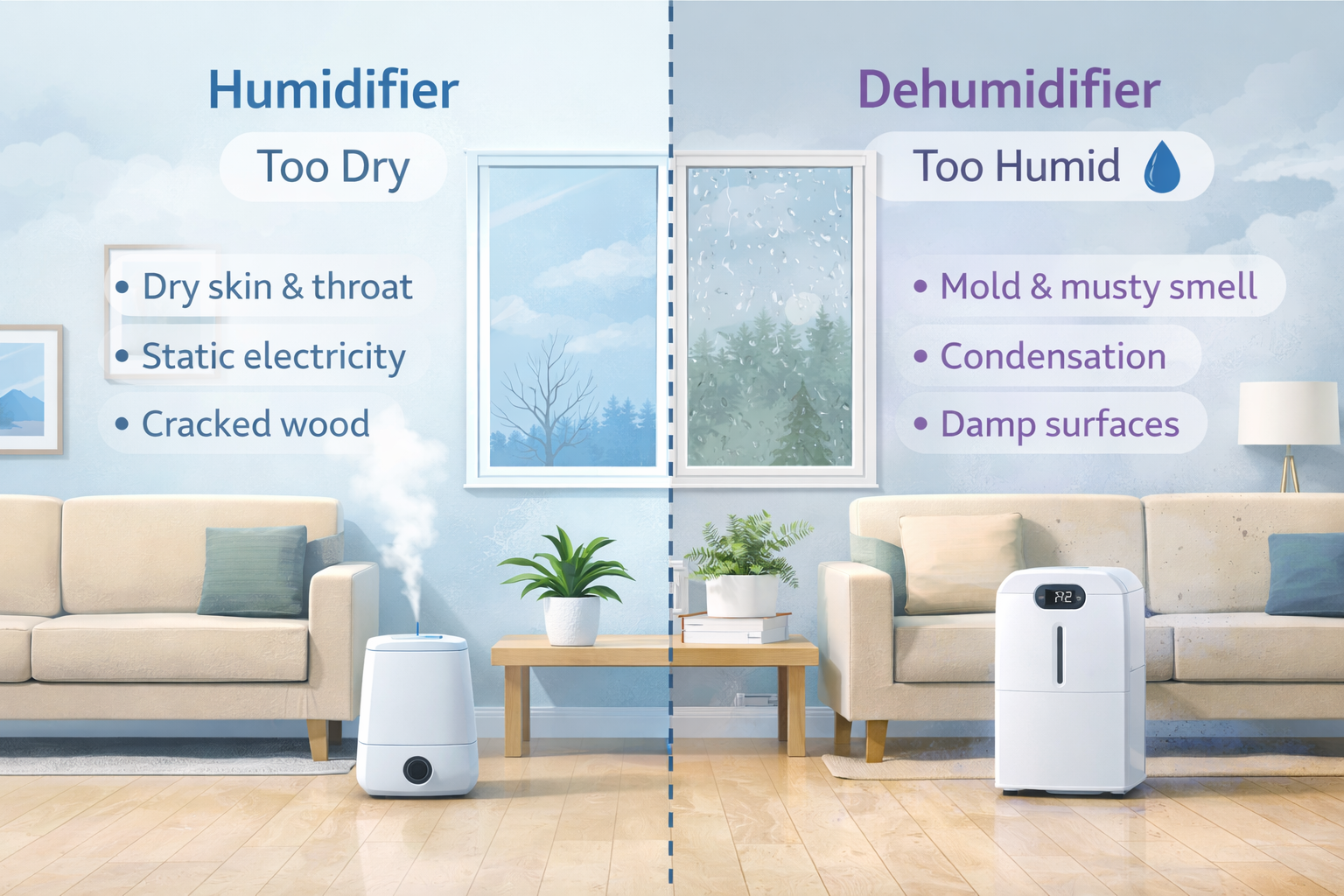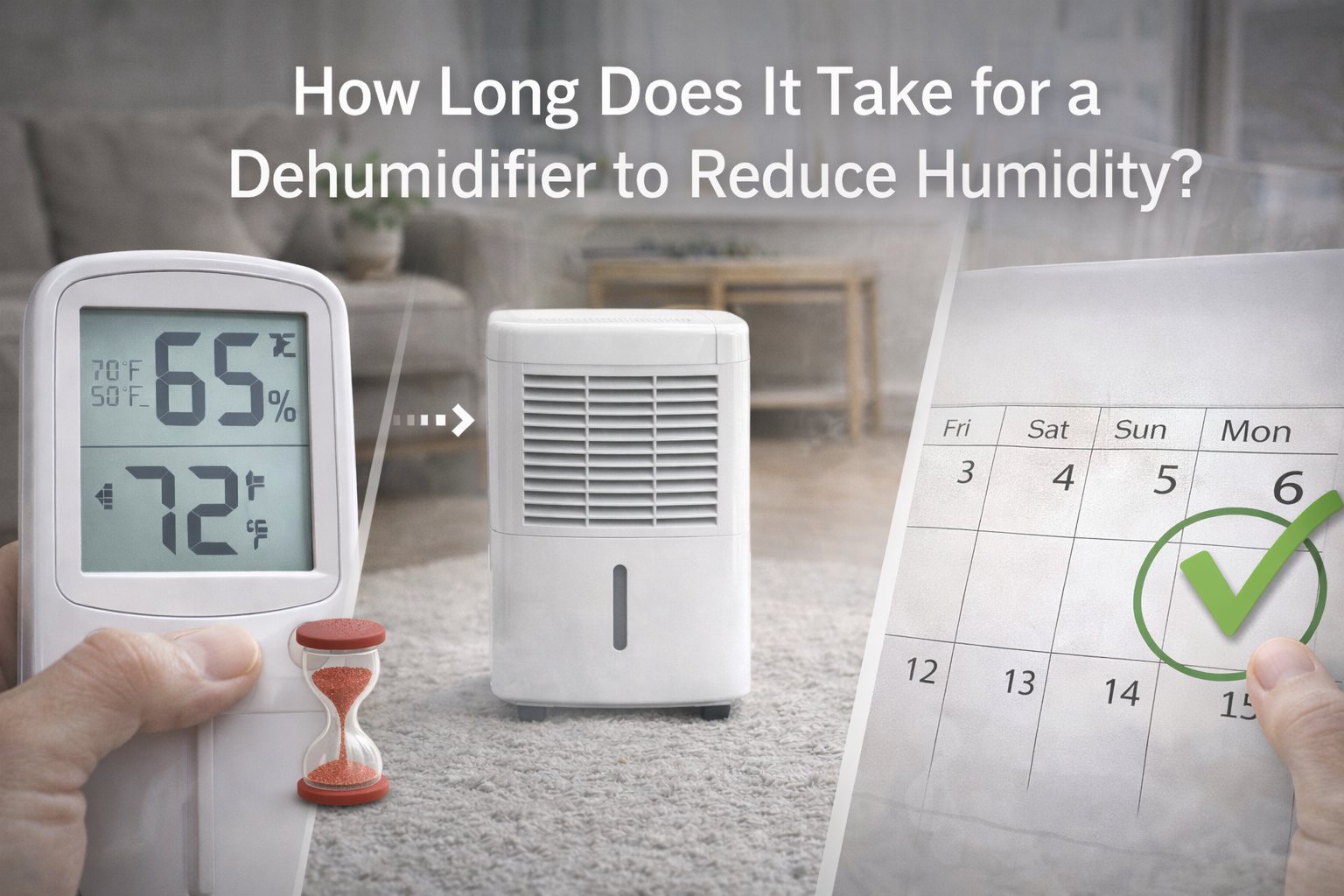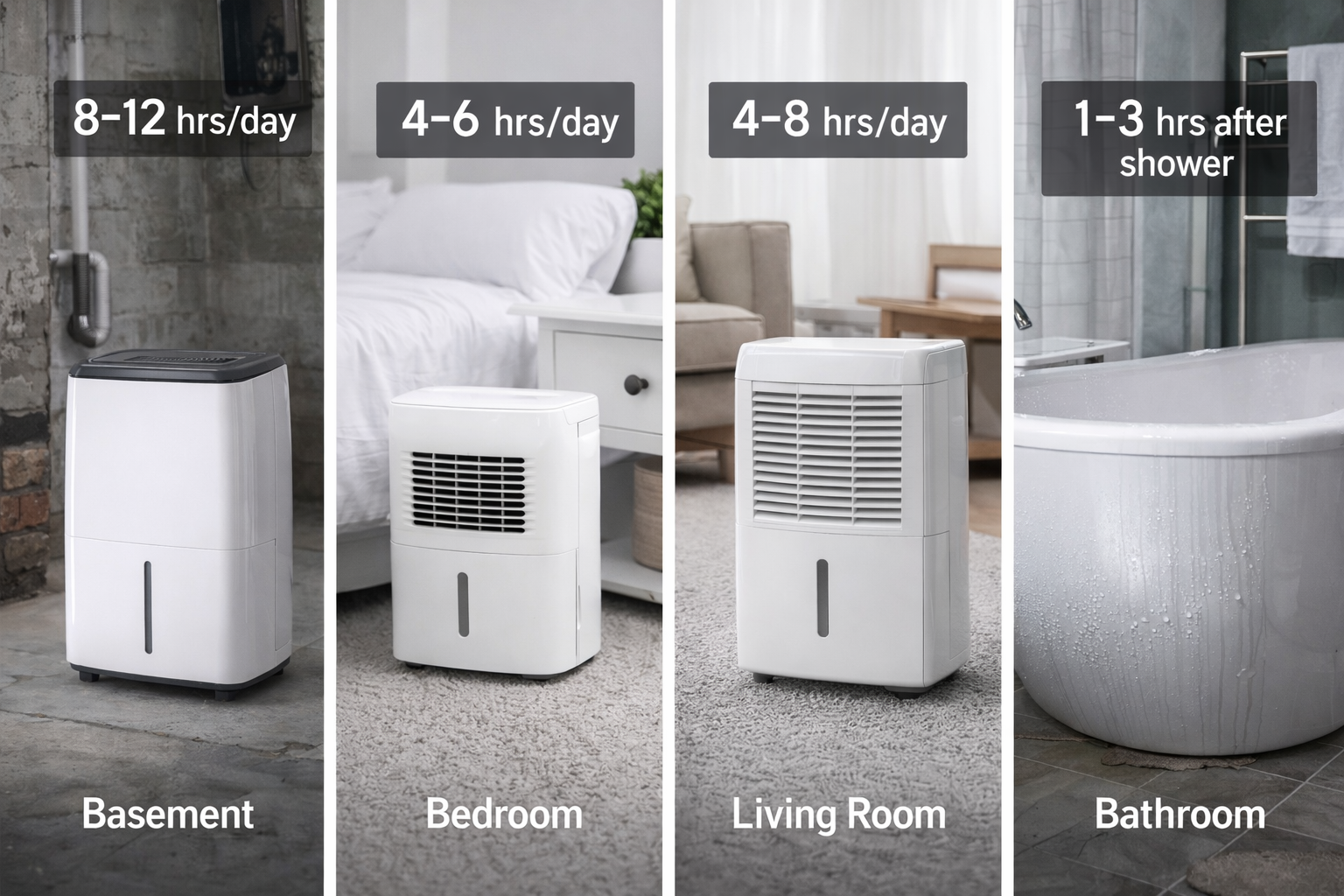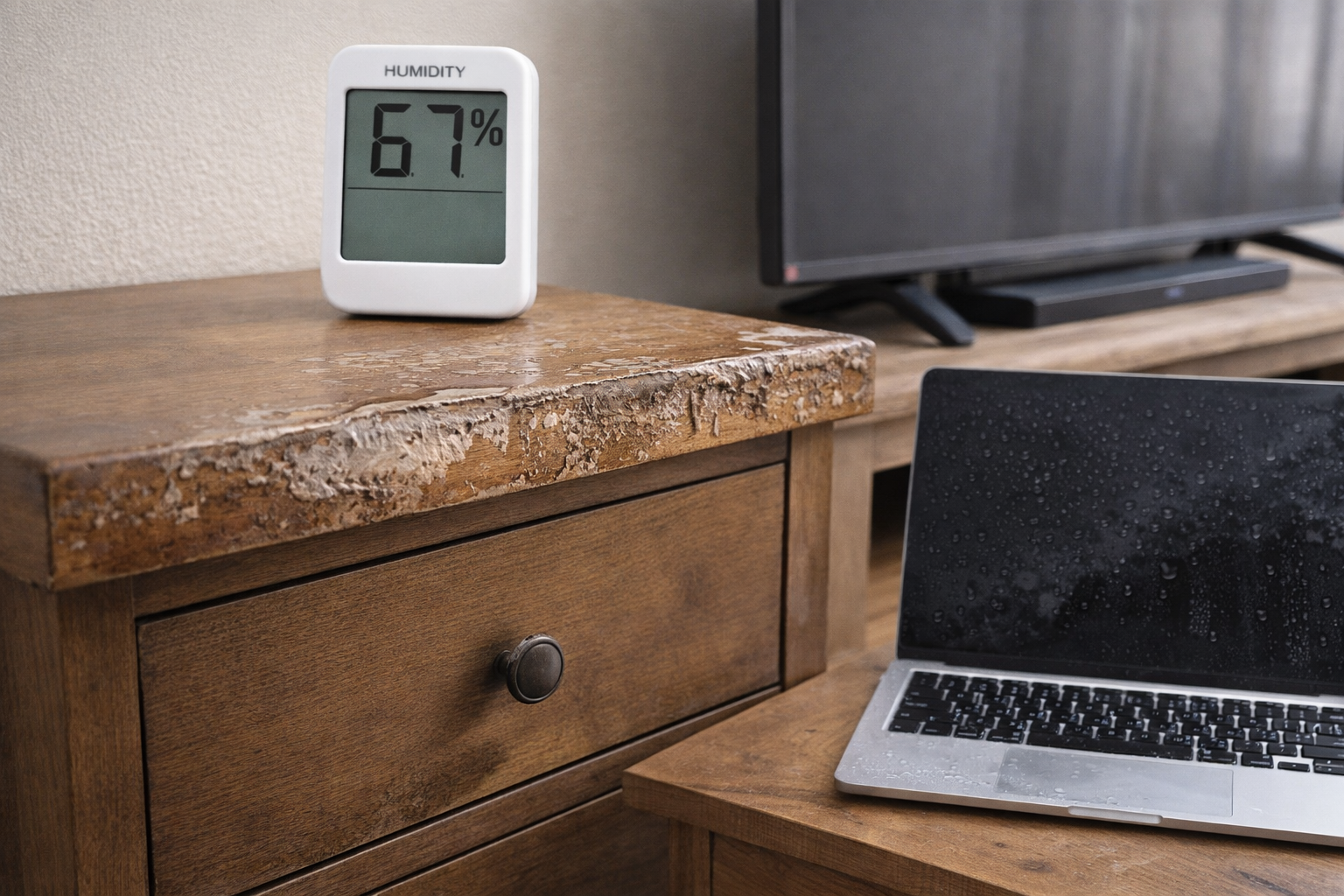
Maintaining the right indoor humidity level plays a major role in comfort, air quality, and how a home actually feels day to day. While general guidelines often suggest a single “ideal” range, the reality is that different rooms have different humidity needs.
Understanding how humidity affects each space helps you manage indoor air more effectively and avoid common issues like dryness, condensation, or musty odors.
Why Indoor Humidity Varies by Room
Humidity does not behave evenly throughout a home. Room size, ventilation, daily activities, and temperature all influence moisture levels. Bathrooms and kitchens naturally collect moisture, while bedrooms and living rooms tend to dry out more easily, especially during colder months.
Because of this, managing humidity works best when it is room-specific rather than one-size-fits-all.
Living Room: Comfort and Balance
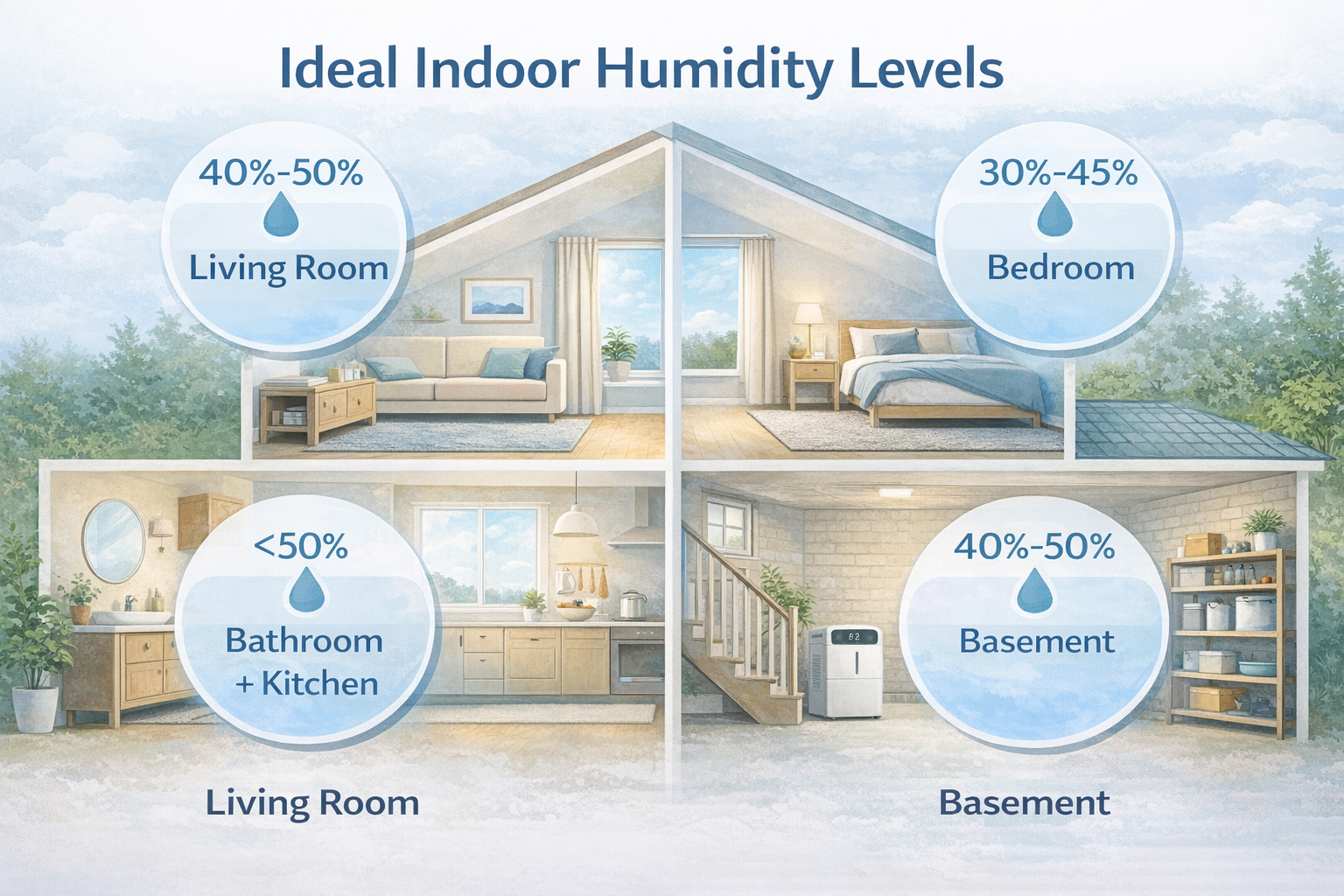
The living room is usually one of the most frequently used spaces in a home. For comfort, a relative humidity level between 40% and 50% works well for most households.
Within this range, the air feels comfortable without encouraging condensation on windows or dryness in the air. Maintaining balanced humidity also helps protect furniture, flooring, and electronics over time.
Bedroom: Supporting Better Sleep
The bedroom benefits from slightly lower humidity than shared living spaces. A range of 30% to 45% is often ideal for sleeping comfort.
Air that is too dry may cause throat irritation or dry nasal passages, while overly humid air can feel heavy and uncomfortable during sleep. Balanced humidity supports easier breathing and a more comfortable sleeping environment throughout the night.
Bathroom and Kitchen: Managing Moisture Buildup
Bathrooms and kitchens naturally produce more moisture due to showers, cooking, and dishwashing. In these areas, keeping humidity below 50% is especially important.
Excess moisture in these rooms can lead to condensation, lingering odors, and surface damage. Proper ventilation plays a major role in keeping humidity under control in moisture-prone spaces.
Basement: Preventing Damp Conditions
Basements often face unique humidity challenges. Because they are below ground level and have limited airflow, moisture can build up easily.
An ideal basement humidity level is typically between 40% and 50%, though some homes may need to stay closer to the lower end of that range. Controlling humidity in basements helps reduce musty smells and protects stored items and structural surfaces.
Seasonal Changes and Indoor Humidity
Humidity needs often shift with the seasons. During winter, heating systems tend to dry out indoor air, especially in bedrooms and living areas. In summer, humidity levels can rise, particularly in basements and poorly ventilated rooms.
Paying attention to seasonal patterns makes it easier to adjust humidity levels before problems develop.
Finding the Right Balance for Your Home
Rather than focusing on a single number, it helps to observe how each room feels and functions. Signs like condensation, dryness, or lingering odors often indicate that humidity levels are outside the ideal range.
By understanding room-specific needs, you can create a more comfortable and balanced indoor environment throughout the home.
Next, we’ll explore common signs that your home’s humidity is too high or too low, and what those signs can tell you about improving indoor air quality.